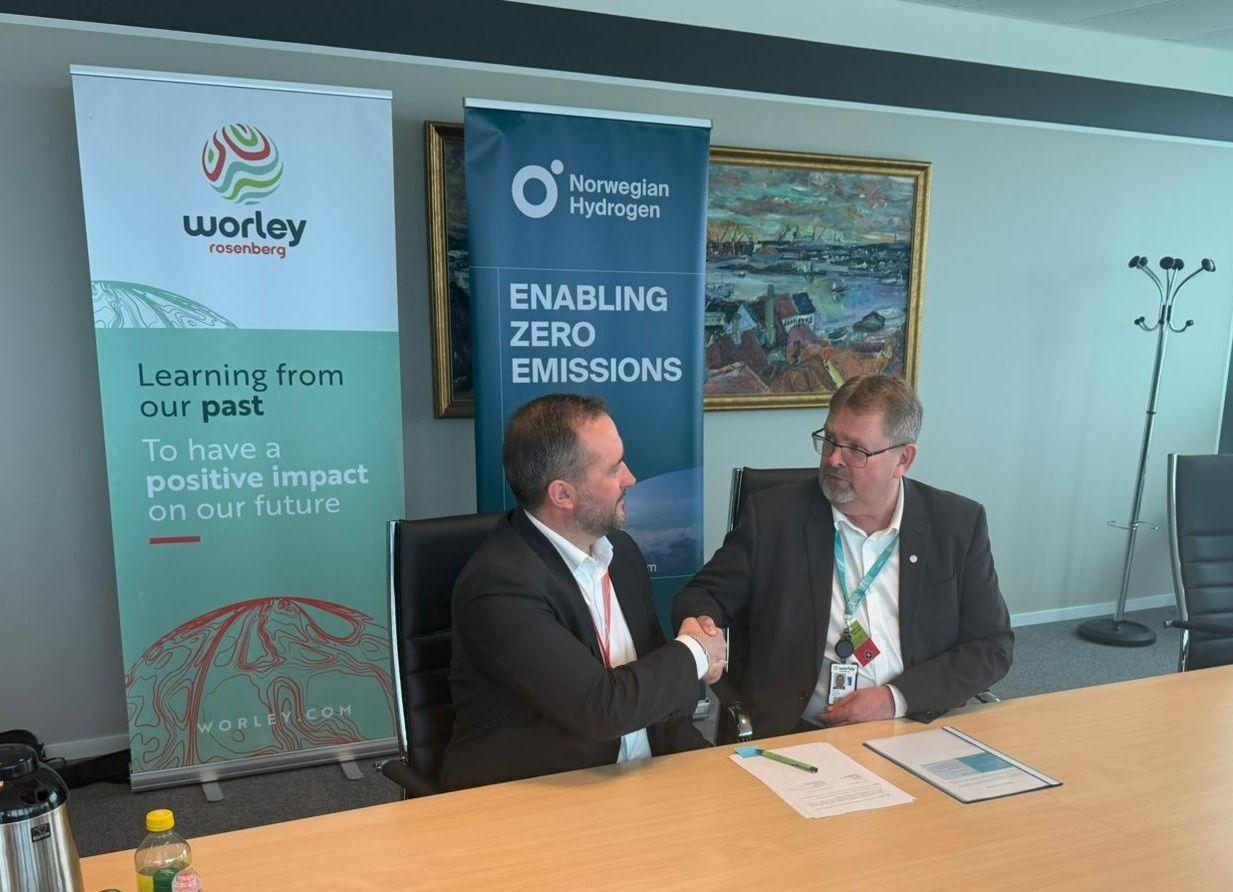
Norwegian Hydrogen awards FEED contract to Worley for RjukanLH2 project
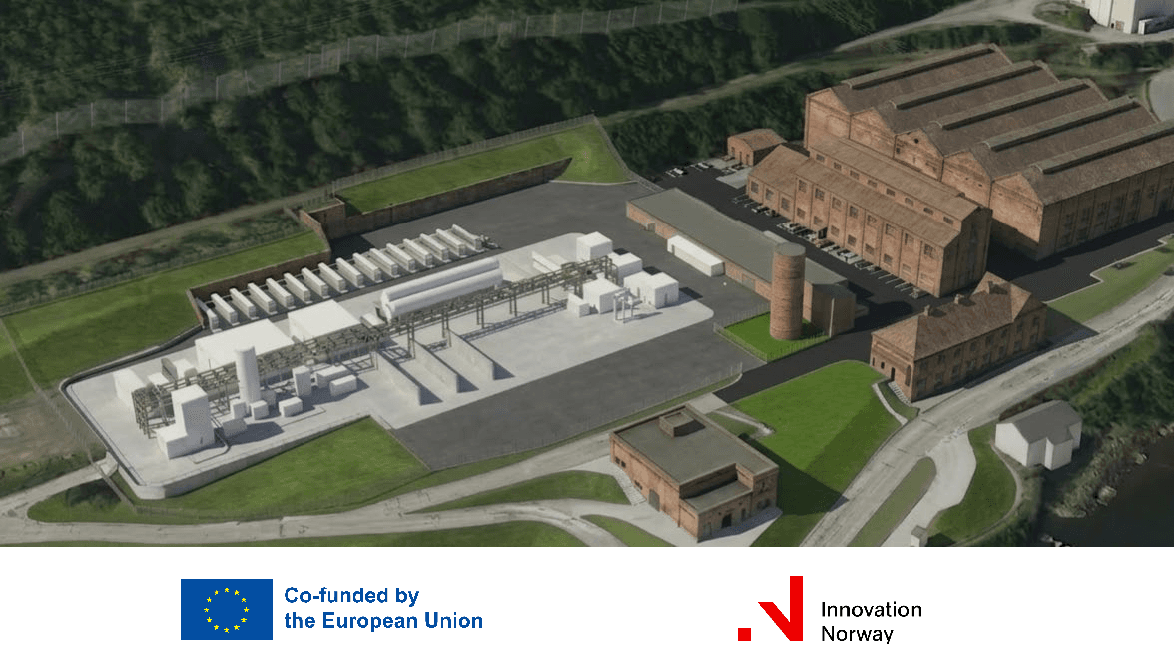
The facility will have a production capacity of up to 10 tonnes of liquid hydrogen per day with upscaling potential, using renewable electricity from the local grid. By combining pressurized alkaline electrolysis with on-site hydrogen liquefaction, the plant will supply clean fuel to the maritime and industrial sectors—two of the most challenging sectors to decarbonize.
The FEED phase will develop the detailed design required to bring the project into execution. The scope includes process, mechanical, electrical, civil, and instrumentation engineering, as well as integration of pre-selected technology packages for both the electrolyzer and the liquefaction unit. In parallel, Worley Rosenberg will prepare a full EPC execution plan, with the EPC phase planned to begin in the second half of 2026.
The project follows a modular design approach, enabling cost-efficient fabrication, transport, and installation while reducing on-site construction risks.
Strong project fundamentals
The project is supported by a solid commercial framework. Norwegian Hydrogen has secured an attractive Power Purchase Agreement (PPA) with Tinn Energi for renewable electricity sourced directly from the Rjukan grid, ensuring long-term price predictability and full traceability in line with the strictest EU requirements for green hydrogen.
On the offtake side, Samskip has committed to purchasing liquid hydrogen for zero-emission maritime and logistics operations, with more customers in the pipeline. Deliveries from the RjukanLH2 facility are expected to begin in 2028.
The project has received financial support from the EU Innovation Fund, the EU Hydrogen Bank, and Innovation Norway, highlighting its strategic importance for advancing Europe’s hydrogen economy.
The FEED work and subsequent project phases will be carried out from Worley Rosenberg’s Stavanger office, supported by the company’s global expertise centers in The Hague and India.
The RjukanLH2 project is co-funded by the EU Innovation Fund.
Funded by the European Union. Views and opinions expressed are those of the author(s) only and do not necessarily reflect those of the European Union or CINEA. Neither the European Union nor the granting authority can be held responsible for them.